"BPS Is Failing Her" Hit the Red Line. The MBTA Pulled It by Morning.
Next Chapter Boston raised $1.5 million to tell subway riders their schools are failing. The ads appeared on Red Line cars Wednesday night and were gone by Thursday morning: the T's own advertising contractor had never submitted them for MBTA review.
Explore Strange New Parts ↓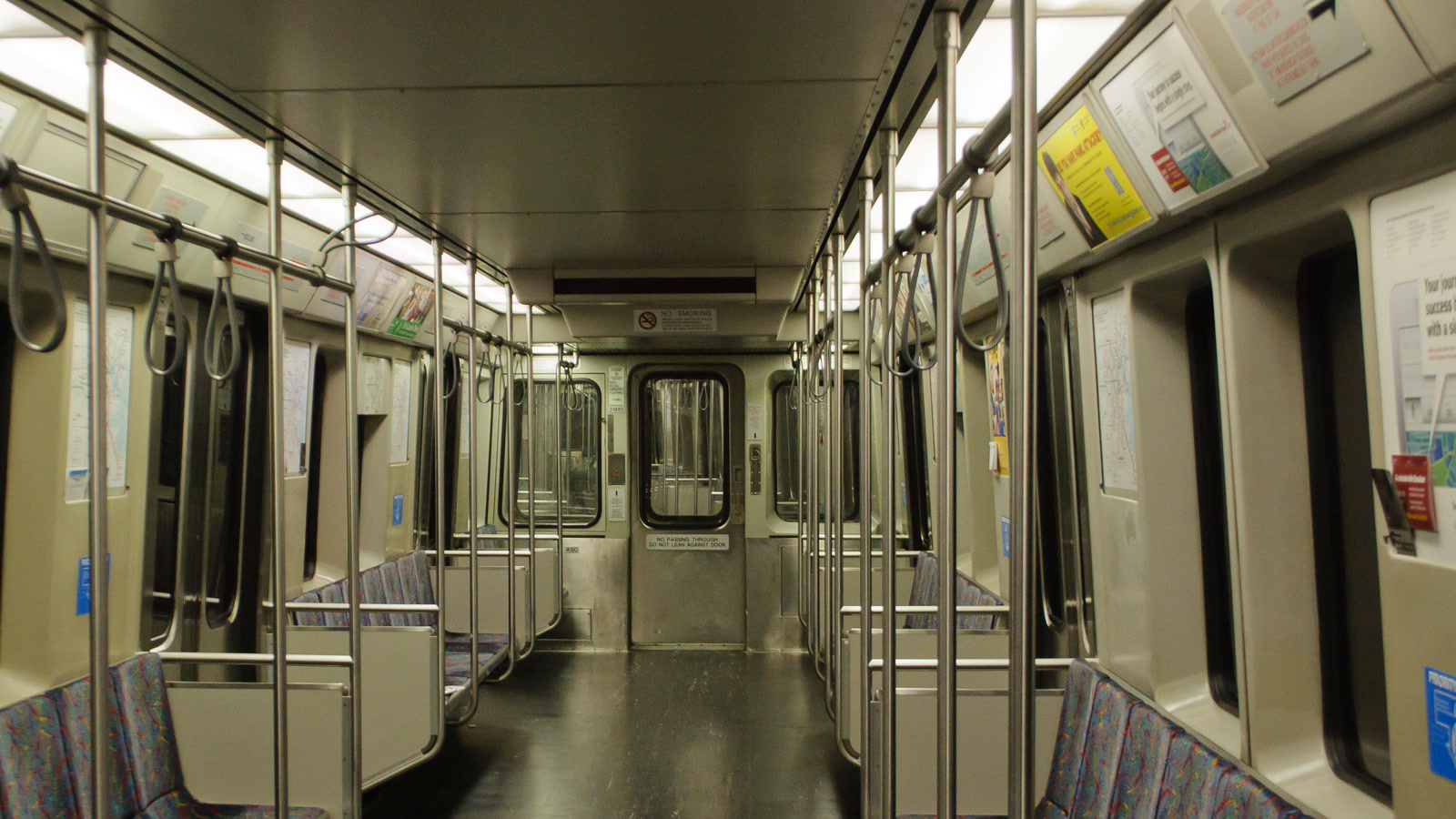
A nonprofit spent $1.5 million to put Boston school-failure statistics on subway cars. The ads appeared on Red Line trains Wednesday night. By Thursday morning the MBTA had removed them.
The campaign, run by Next Chapter Boston, placed images of a child's eyes on MBTA cars alongside the text "BPS IS FAILING HER" and "We can fix it, together." The group cited state data: 29 percent of Boston Public Schools students in grades 3 through 8 met or exceeded expectations in English and math, and roughly one-third of 10th graders reached the standard, per the Boston Globe.
MBTA spokesperson Maya Bingaman said the ads "do not comply with the MBTA's advertising guidelines and were placed in the system by our advertising contractor without the required MBTA review prior." Both parts of that statement matter. The T objected to the content. It also found out the ads were running the same way commuters did.
Censorship or a vendor failure?
Mary Tamer, one of Next Chapter Boston's founders, called the removal censorship. "Why is telling the truth about the poor outcomes in the BPS against the standards of the MBTA?" she told the Globe. That is a reasonable question when the headline reads: transit authority pulls anti-school-board ads. It reads differently when the actual sequence was: contractor bypassed required review, ads ran without MBTA knowledge, MBTA pulled them on discovery.
The MBTA's advertising guidelines are described as "some of the most stringent in the Commonwealth." The agency bans political advertising. Whether an advocacy campaign attacking a public school administration qualifies as political under those rules is a legitimate debate. The agency never got to resolve it the normal way, because the contractor did not give it the chance.
Who is Next Chapter Boston
The group was founded by Tamer and Vernee Wilkinson, both longtime Boston education advocates. They raised more than $1.5 million from roughly seven or eight donors. Tamer publicly named two: local philanthropists Rick Burnes and Michael Champa, and an out-of-state foundation she declined to identify.
Champa put the case for the campaign plainly: "When seven of 10 kids in the city of Boston can't read at grade level, that borders on a crisis." The Massachusetts DESE MCAS profiles support a version of that picture: BPS proficiency rates have trended among the lower tier of Massachusetts districts for several years. Grade 3 English Language Arts: 31 percent of students met or exceeded expectations in spring 2025.
The union's counterargument
Lea Serena, speaking for the Boston Teachers Union, redirected the argument to the money itself. "Perhaps if they really want to help local students, this group should funnel the money they're putting into subway ads toward restoring the funds," she said. That argument has a long history in education debates: when reform groups spend on advocacy rather than classrooms, unions will always point to what the classrooms could have used instead.
The vendor bypassed the process. That is the real story.
For the MBTA, the contractor failure creates a problem the usual review process would have handled differently. The agency has an ad review specifically to avoid this: a contentious advocacy campaign appearing on public transit in a politically charged local debate, without institutional sign-off. The contractor handed the T a controversy it never chose to pick up.
Next Chapter Boston wins either way. Its ads ran on Red Line cars during the Wednesday evening commute, seen by thousands of riders. When the MBTA removed them, the removal generated more press than the campaign would have earned by running undisturbed. Mayor Michelle Wu, Superintendent Mary Skipper, and School Committee Chair Rafaela Rodríguez Robinson all declined to comment, according to the Globe.
The ads are gone from the Red Line. The test scores they cited are in the public record.
Ad Watch News is an independent commentary site. No affiliation with Next Chapter Boston, the MBTA, Boston Public Schools, or any party named here. This piece draws on published sources listed below.