Bravo settled the RHONY drinking suit before anyone testified under oath
Leah McSweeney withdrew her lawsuit against Andy Cohen and Bravo with prejudice after a confidential settlement, ending a two-year case that had already produced an extraordinary ruling: a federal judge found Bravo has a First Amendment right to require its stars to drink to excess.
At a glance
- The settlement
- Leah McSweeney withdrew her RHONY lawsuit against Andy Cohen and Bravo with prejudice on October 31, 2026. Financial terms were not disclosed. Her attorney said they were 'extremely satisfied with the outcome.'
- The ruling
- In November 2024, federal Judge Lewis Liman found Bravo has a First Amendment right to require its cast members to drink to excess, while wanting the network to answer for the methods it used. That ruling stands regardless of the settlement.
- The claims
- McSweeney alleged producers mocked her sobriety, called her boring, threatened her pay, coached fellow cast members to call her a drug addict, and denied her promised AA meeting access during filming. Cohen denied all allegations.
Leah McSweeney, a former cast member on "The Real Housewives of New York City," withdrew her lawsuit against Bravo and executive producer Andy Cohen on October 31, 2026, with prejudice, after a confidential settlement whose dollar amount was not disclosed. The withdrawal with prejudice means she cannot refile the claims, ending two years of public legal dispute, per Page Six via Yahoo Entertainment.
The settlement ended what would have been the network's first courtroom trial against a cast member, according to Deadline. McSweeney's attorney Gary Adelman, of Adelman Matz, told Page Six: "We are extremely satisfied with the outcome and we are proud of Leah and her perseverance." Neither McSweeney, Cohen, nor Bravo made a statement about the settlement.
What the Suit Actually Claimed
McSweeney filed the lawsuit in February 2024. She has alcohol use disorder, was sober for ten years before relapsing shortly before filming RHONY in 2019, and returned to sobriety before her second season. Her filings alleged that when she tried to maintain sobriety, producers mocked her, called her boring, threatened to reduce her pay, and ultimately sidelined her from future Bravo projects.
According to Judge Lewis Liman's summary of her allegations, producers "joked about her drinking issues in her presence despite her requests that they stop, taunted her about her alcohol use disorder and tried to undermine her sobriety through harassing comments." The same filing alleged they "directed other cast members to bring up her mental health and substance abuse issues and to call her a drug addict, and coached fellow cast members to further disparage her," per Reality Blurb.
She also alleged that producers promised she could attend AA meetings during filming of "The Real Housewives Ultimate Girls Trip," then told her on set she could not go once taping began. She also accused Cohen of using cocaine with favored cast members and giving those cast members better treatment and editing. Cohen denied those claims through his attorney, who called the suit a "shakedown."
The Ruling That Stays on the Books
The most consequential moment in the case did not come at settlement. In November 2024, federal Judge Lewis Liman found, after a hearing, that Bravo has a First Amendment right to require its stars to drink to excess, while also saying he wanted the network to answer for the "allegedly brutal methods" it used to encourage McSweeney to drink, per Page Six via Yahoo Entertainment.
That ruling is not undone by the settlement. What the judge wrote stands: a TV network can, under the First Amendment, make editorial decisions that include requiring cast members to consume alcohol, because the production of reality television is expressive content and those editorial choices are protected expression. The settlement cuts off the part of the case where Bravo would have had to answer for how it put that editorial mandate into practice with a cast member who had a documented alcohol use disorder.
The case also reached the question of arbitration. In March 2026, Judge Liman ordered the case heard in public court because both parties "had waited too long to request arbitration," per Reality Blurb. That meant public testimony was coming. Then, in October, Bravo settled.
What the Business Actually Is
The Bravo franchise has been commercially durable for two decades. The drama it sells depends on volatility, conflict, and charismatic behavior that is not always compatible with the health of the people producing it. McSweeney's case is the first to go far enough into a public courtroom to establish, even briefly, what legal protections that business model carries.
The settlement forecloses the depositions. There will not be a public record of what producers said in sworn testimony about their decisions around McSweeney's sobriety. The ruling about the First Amendment basis for those decisions is already on the record.
RHONY search interest spiked to 100 on Google Trends the week of October 28, likely tied to Season 15 activity and reunion coverage, before dropping to 44 on October 31 when the settlement news broke. "Leah McSweeney" reached a search value of 22 on October 31, its highest point in the measurement window.
Ad Watch News is an independent commentary site. We have no affiliation with Bravo, Andy Cohen, Leah McSweeney, or NBC Universal.


Sources & further reading
- Page Six via Yahoo Entertainment: "Andy Cohen, Bravo settle bitter lawsuit with RHONY alum Leah McSweeney who claimed they preyed on her alcoholism," Oli Coleman, October 31, 2026
- Deadline: "Andy Cohen & Bravo Settle Leah McSweeney Smear Campaign Lawsuit," October 31, 2026
- Reality Blurb: "Bravo and Andy Cohen Settle Lawsuit With RHONY Alum Leah McSweeney," Matt Richards, October 31, 2026
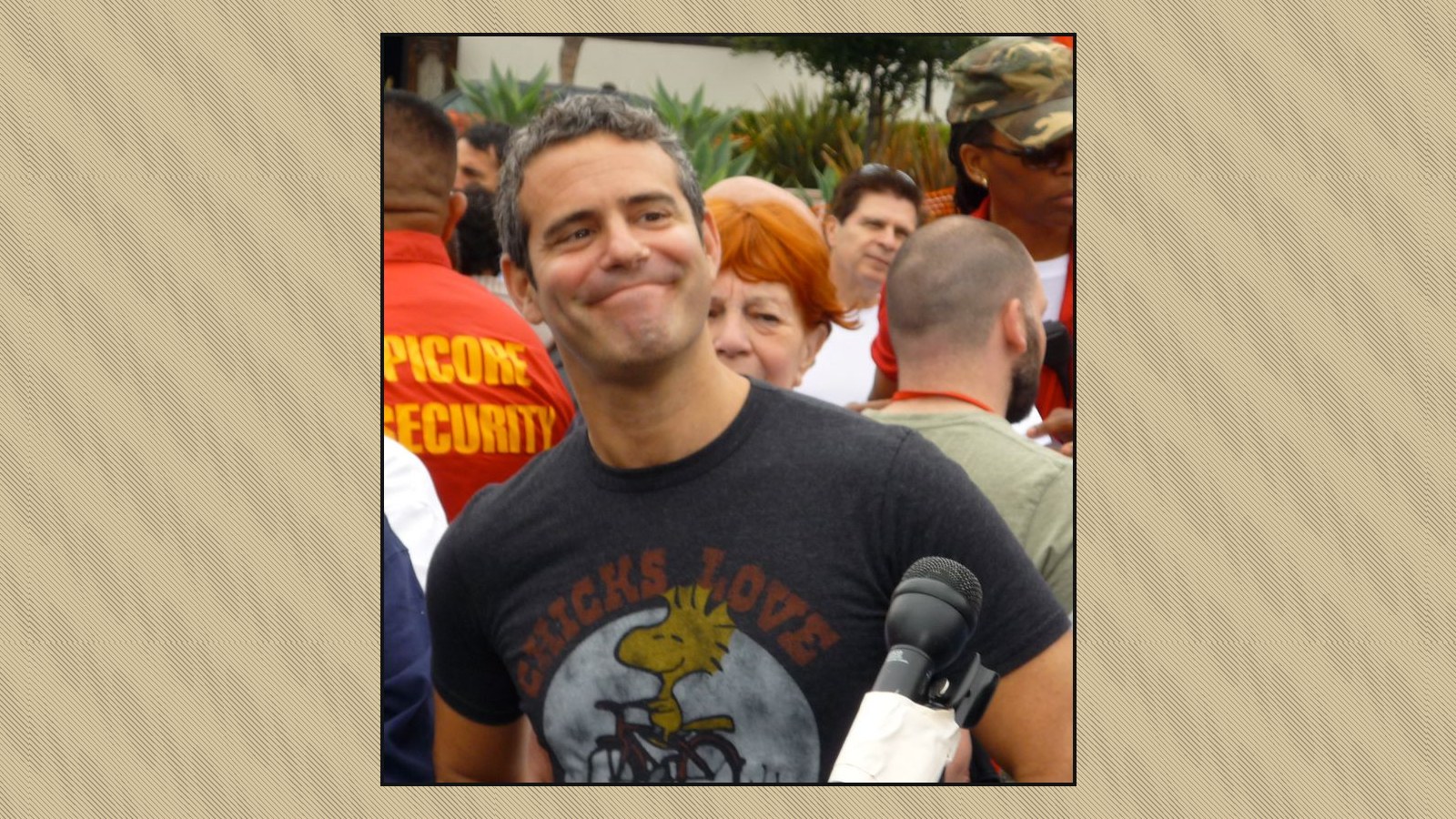
- Wikimedia Commons: Andy Cohen, photographed by Greg Hernandez, July 2008, CC BY 2.0