The Quranic Pendant Kareena Wore to Diwali Drew a Legal Notice
Kareena Kapoor styled a 30-carat Bhopal royal emerald carved with Ayat-ul-Kursi for Diwali 2026. A Muslim politician filed a legal notice. The first to publicly defend her was the head of a Hindu cultural group.
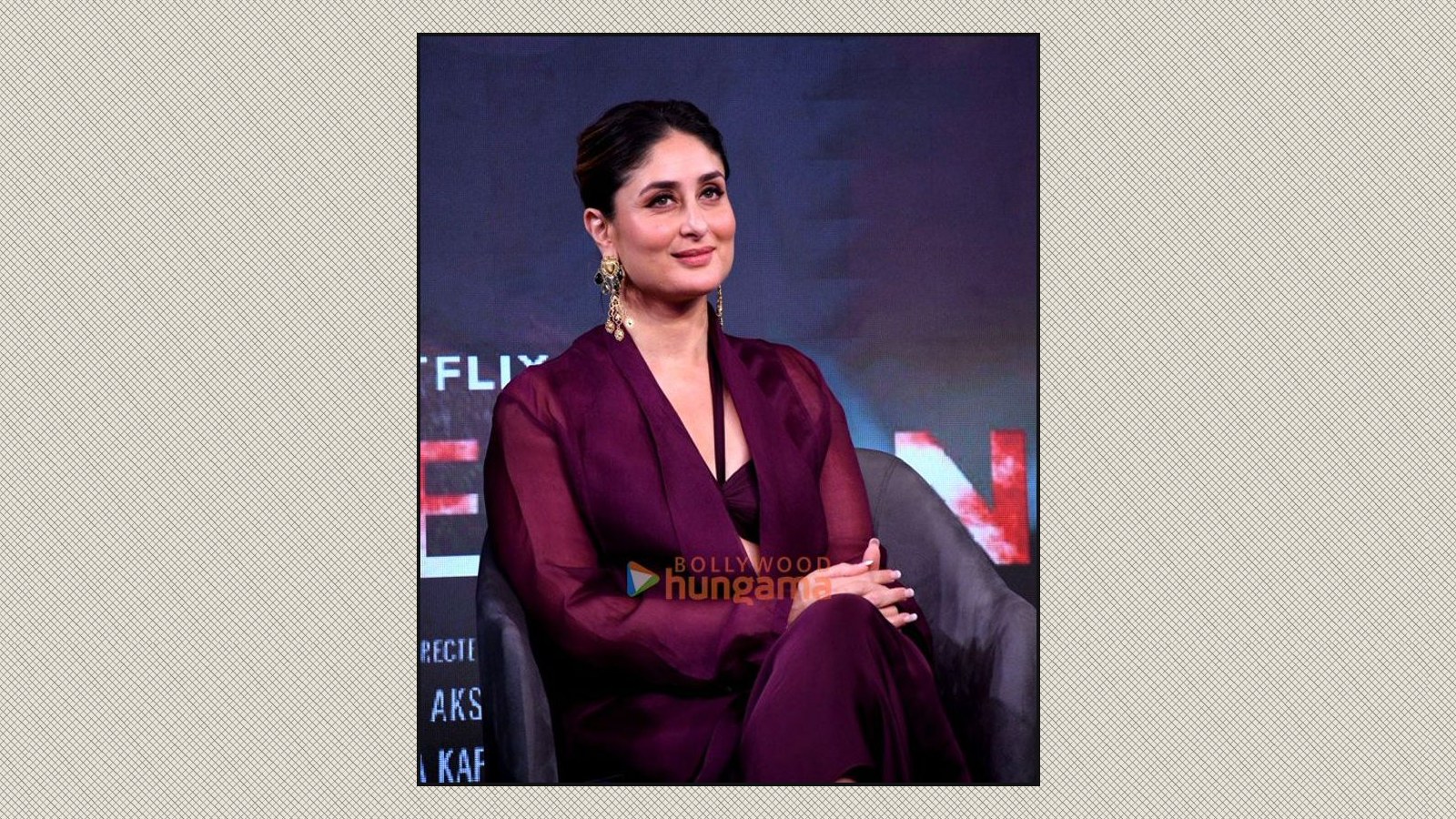
The first person to publicly object to Kareena Kapoor wearing a Quranic verse pendant to Diwali was a Muslim politician. The first to publicly defend the choice was the president of a Hindu cultural group.
On November 10, stylist Rhea Kapoor posted Kareena's Diwali 2026 look to Instagram: a pure silver-thread kaftan and structured turban by designer Punit Balana, with two heirlooms from the Bhopal royal family. The first was a 200-year-old diamond-encrusted kalgi, the kind of turban ornament once worn by Nawab Hamidullah Khan, the last ruling Nawab of Bhopal. The second was a 30-carat carved emerald pendant from the Begum of Bhopal's collection, inscribed with Ayat-ul-Kursi, the 255th verse of Surah Al-Baqarah.
These are family heirlooms, not borrowed jewels. Kareena's husband, Saif Ali Khan, is the great-grandson of Nawab Hamidullah Khan through his grandmother Sajida Sultan. The Bhopal dynasty's pieces came to Kareena through that lineage. Rhea's caption confirmed it: "Heirlooms of the Bhopal royal family, Kareena's own. These pieces come through Saif's family." Kareena's own caption read: "Diwali is all about traditions done right."
Heirlooms of the Bhopal royal family, Kareena's own. These pieces come through Saif's family.
Some social media users objected to the styling. Critics argued that wearing a Quranic inscription to a Hindu festival was an inappropriate use of sacred scripture. The initial response was largely confined to social media comment threads.
The Legal Notice
On November 11, Congress leader Abbas Hafeez filed a legal notice through a Bhopal court, sending it to both Kareena and Rhea Kapoor. Hafeez filed it in his individual capacity. The notice argued that Ayat-ul-Kursi was meant for faith and worship, not casual fashion display, and that the manner in which the pendant was displayed hurt religious sentiments. It made three demands: Kareena must remove the Instagram post, issue a public apology, and give written assurance not to repeat the action.
The same day, Chandrasekhar Tiwari, president of the Hindu Utsav Samiti, said publicly that he found nothing wrong with the pendant. His reasoning: traditional lockets and amulets with sacred inscriptions have been worn across communities throughout Indian history. The Siasat Daily also reported that a News18 anchor defended Kareena live on air, noting that the verse was beautiful and that she wore it close to her chest, which could itself be read as a form of reverence.
No court has established any wrongdoing. The legal notice does not initiate court proceedings on its own. As of this writing, Kareena has not publicly responded.
The Pattern at the Jewellery Counter
Kareena has served as Malabar Gold and Diamonds brand ambassador since at least 2013, confirmed most recently by her fronting the brand's NUWA natural diamond campaign in June 2025. Malabar Gold is India's largest jewellery retailer, with more than 250 stores across South Asia and the Gulf. Its customer base spans Hindu and Muslim-majority markets, and its primary sales are driven by religious festival campaigns for occasions like Akshaya Tritiya, Dhanteras, and Eid.
In April 2022, Malabar Gold faced the hashtag campaigns #Boycott_MalabarGold and #No_Bindi_No_Business on Twitter after Kareena appeared without a bindi in an Akshaya Tritiya advertisement. That controversy drew criticism from Hindu users who argued the festival context required the mark. The brand made no public change to its ambassador relationship. The hashtags faded.
What the two controversies share is a structure: Kareena, as brand ambassador for a jewellery company that sells festival-tied products to both Hindu and Muslim buyers, makes a symbolic choice involving religious markers. A section of the audience objects. An authority weighs in. The brand says nothing. That silence is itself a position. The jewellery company's commercial interest is in Kareena's ability to represent an aspirational identity that belongs to both communities. When her personal choices create religious controversy, that positioning becomes complicated. Neither Malabar Gold nor Kareena has issued any statement about the pendant or the legal notice.
What Has Not Happened Yet
The legal notice was filed November 11. No court date has been reported. Jewellery historians and cultural commentators have noted the pendant's significance as a genuine royal heirloom; its provenance is not in dispute. What remains open is how Kareena, her stylist, and her brand partner respond to the objection, and whether the notice progresses beyond the demand stage. As of November 15, the most prominent voice to publicly address the controversy was not an Islamic authority or a Bollywood publicist. It was the head of a Hindu cultural organization who said there was nothing to see here.


Sources & further reading
- Deccan Chronicle (Rabindra Nath Choudhury): Kareena sent legal notice over Quranic verse pendant on Diwali, Nov 11 2026
- Siasat Daily (Sardar Sarabjoth Singh): Kareena Kapoor Khan gets legal notice over Ayat-ul-Kursi pendant, Nov 11 2026
- OdishaBytes: Kareena Kapoor in legal trouble over pendant inscribed with Ayat-ul-Kursi, Nov 11 2026
- Siasat Daily (Rasti Amena): Bebo's Diwali look sparks outrage over Ayat-ul-Kursi pendant, Nov 10 2026
- The Week India: Kareena Kapoor, Malabar Gold face social media backlash over Akshaya Tritiya ad, Apr 22 2022
- afaqs (Jun 24, 2025): Kareena Kapoor Khan fronts Malabar Gold's NUWA natural diamond collection
- Wikimedia Commons: Kareena Kapoor Khan at Jaane Jaan trailer launch, September 2023 (CC BY 3.0, Bollywood Hungama)