Kalshi's Founders Are Funding the Candidates Their Markets Are Pricing
Tarek Mansour and Luana Lopes Lara donated $1 million to 96 federal candidates this cycle, per a NOTUS analysis of FEC records. Kalshi is currently pricing the midterm odds for most of those same races.
At a glance
- The donations
- Kalshi co-founders Tarek Mansour and Luana Lopes Lara donated approximately $1 million combined to 96 federal candidates this election cycle, per a NOTUS analysis of FEC records. The split: $614,700 to Republicans and $377,300 to Democrats.
- The market
- As of October 28, Kalshi's prediction market gives Democrats a 91% chance of winning the House and 65% for controlling the Senate. Combined Kalshi and Polymarket users had traded nearly $200 million on midterm outcomes by July.
- The risk
- A $3,500 bet can move 97% of Kalshi's midterm-related markets by five cents or more, per the Anti-Corruption Data Collective. Three congressional candidates were suspended from Kalshi in 2026 for betting on their own races. George Santos is under investigation for suspected insider trading on the platform.
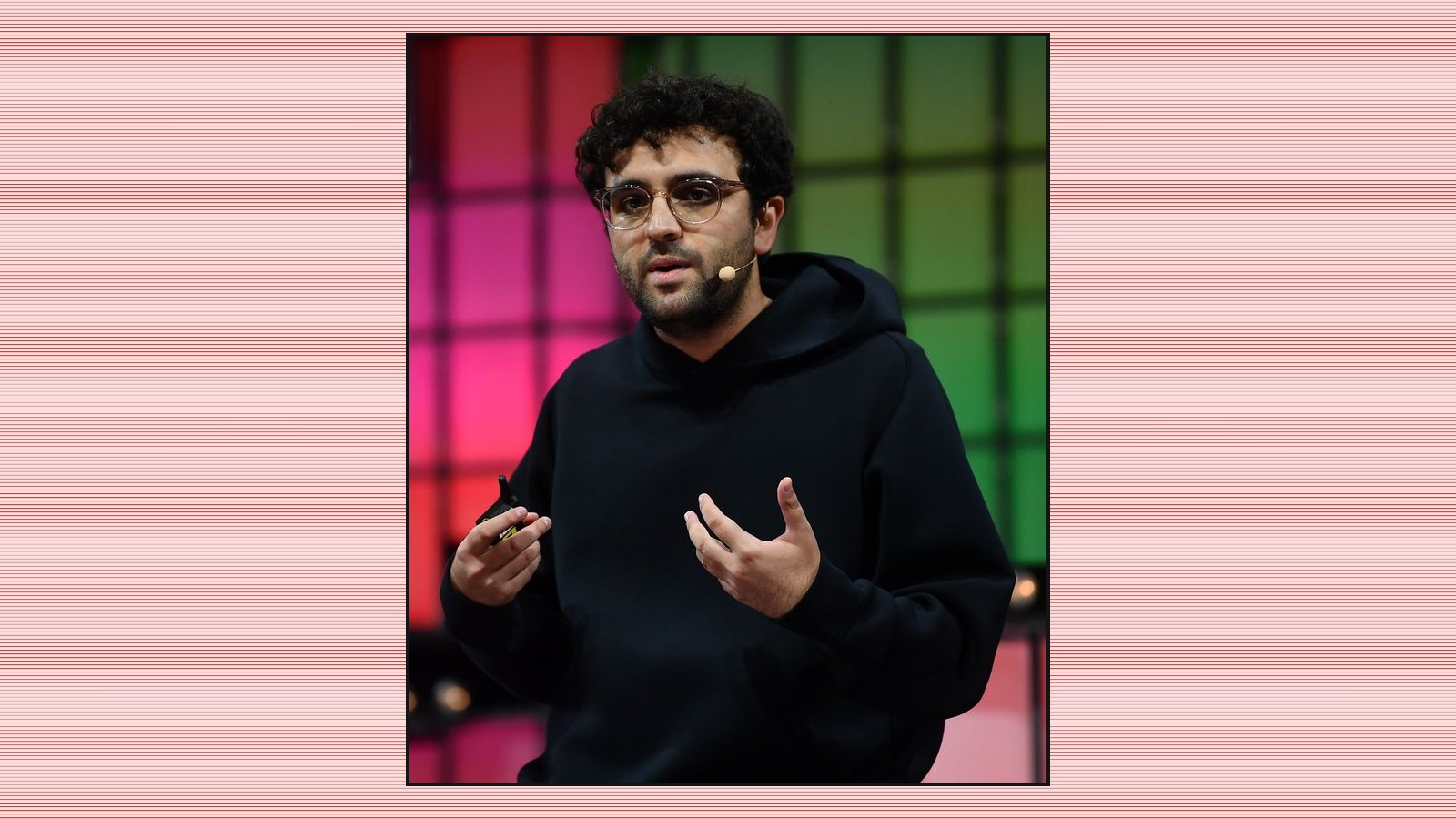
Tarek Mansour and Luana Lopes Lara, the co-founders of Kalshi, donated approximately $1 million combined to 96 federal candidates and political committees this election cycle, according to a NOTUS analysis of FEC records. Kalshi is running real-money prediction markets on most of those same congressional races.
The breakdown is bipartisan: $614,700 went to Republicans and $377,300 to Democrats, spread across 62 Democratic campaigns and 34 Republican campaigns. The company calls this normal.
Like many leaders at U.S. regulated companies, ours support candidates on both sides of the aisle.
Mansour personally donated $330,300 to Republican congressional campaigns and the NRSC, and $251,100 to Democratic campaigns and the DSCC. Co-founder Lopes Lara directed $350,000 to the NRSC and Republican National Committee this year. She also gave $7,000 each to three Democratic candidates: Andrea Salinas in Oregon, Lori Trahan in Massachusetts, and Darren Soto in Florida. Both founders gave $14,000 combined to Rep. Angie Craig, who is running for Senate in Minnesota, per the NOTUS report.
The Market Is Already Inside
Kalshi's platform has already produced the insider-trading scenarios regulators worried about. Three congressional candidates were suspended from the platform in 2026 for betting on their own races. Former Rep. George Santos is under investigation by federal prosecutors for suspected insider trading on Kalshi. Rep. Bryan Steil, who received a $22,000 donation from Mansour, introduced a bill in June 2026 that would ban members of Congress from trading on prediction markets, per NOTUS.
Donald Trump Jr. sits on the company's board as a senior strategic adviser and holds a reported $300,000 equity stake, per the Financial Times via NOTUS. His presence makes Kalshi's political entanglements more complicated to characterize as neutral. The platform has explicitly encouraged its users to bet on politics, publishes a real-time political power index, and in July launched a "Midterms Hub" showing live race odds next to polling averages.
Thin Markets and What They Cost
The concern about manipulation is not abstract. The Anti-Corruption Data Collective found that a $3,500 bet can move 97% of Kalshi's midterm-related markets by five cents or more, according to reporting by Decrypt. Kalshi's own spokesperson responded that "in any liquid market, mispricing is free money on the ground." The congressional markets are not liquid by that standard.
Morgan Stanley's Counterpoint Global studied more than 72 million Kalshi trades and found prices tracked outcomes closely overall. But that data covers all markets on the platform, the majority of which are in sports. The midterm congressional races are a thin slice. Decrypt reported combined Kalshi and Polymarket monthly volume grew from $26 billion in May to $53 billion in July, but the politics slice is under $2 billion per month on Polymarket and under $300 million on Kalshi. The congressional race contracts are a small portion of even that.
Wisconsin got ahead of this. The state's Election Commission warned in July that residents who bet on races they vote in could have their ballots disqualified, per Straight Arrow News. Kalshi's head of legal called the warning "unconstitutional and illegal." California has not weighed in. Neither have most other states.
Midterms are November 4. Kalshi's own market data, updated October 28, gives Democrats a 91% chance of winning the House and a 65% chance of controlling the Senate. If those odds clear, Kalshi will have its most credible forecasting result yet. If they miss, the donations story gets a second cycle.
Kalshi and Polymarket users had traded nearly $200 million on midterm outcomes by July, per an NBC News analysis cited by Straight Arrow News. More than $30 million of that was bet specifically on which party wins the House and Senate, per CNBC. The prediction market built on those dollars is also funded, at the ownership level, by $1 million in donations to the candidates it prices.
Ad Watch News is an independent commentary site. We have no affiliation with Kalshi, Novig, Polymarket, or any political candidates mentioned in this piece.


Sources & further reading
- NOTUS / Washington Sun: "Kalshi Co-founders Are Hedging Their Bets on 2026 Midterms," Samuel Larreal, July 7, 2026
- Straight Arrow News: "Kalshi unveils 'Midterms Hub' ahead of 2026 elections, but one state warns it could cost you your vote," Shea Taylor, July 22, 2026
- Kalshi News: "2026 Midterm Predictions," Logan Hitchcock, updated October 28, 2026
- Decrypt: "The Midterms Are the First Real Test of Whether Markets Beat Pollsters," October 20, 2026
- Wikimedia Commons: Tarek Mansour, Web Summit 2021 (cropped), Diarmuid Greene / Sportsfile, CC BY 2.0