Kalshi Gave the Idaho AG $5K. It's Also Running a Bet on His Race.
The New York prediction market company donated to the Idaho attorney general who is fighting to stop it in court... while running a $43K market on whether he wins reelection.
Engage ↓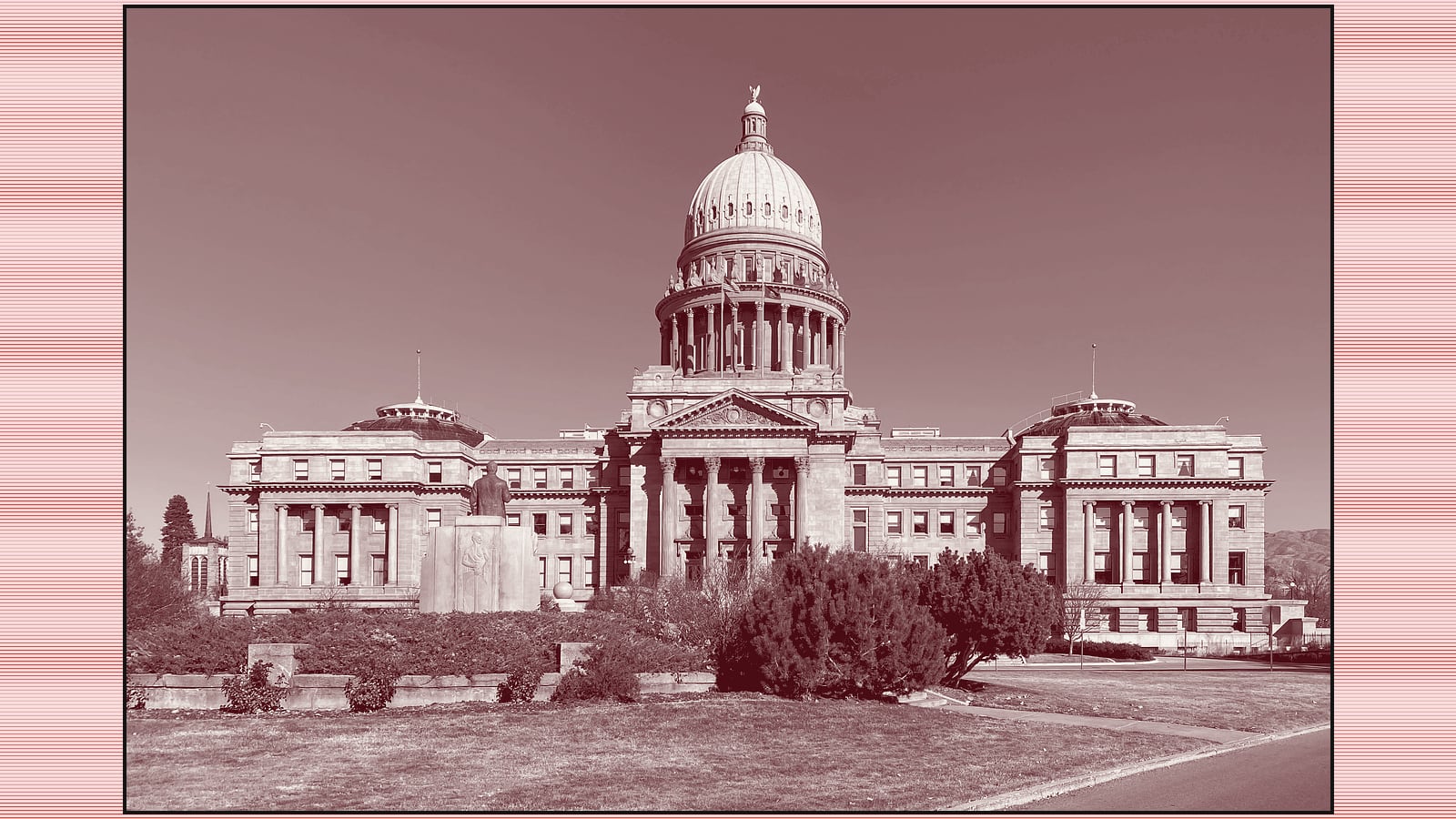
Kalshi, the New York-based prediction market platform, donated $5,000 to Idaho Attorney General Raúl Labrador's reelection campaign on October 13, 2026. According to Idaho Education News, the same company simultaneously operates a $42,896 active betting market on whether Labrador wins. Labrador has spent months working to legally stop Kalshi from operating in his state.
The Conflict: Paying the Politician You're Betting On
The structure of the situation is unusual. Kalshi runs 24 active Idaho election markets with more than $500,000 in combined trading volume. The Jim Risch Idaho Senate seat market alone has drawn $385,221 in bets. While those markets run, Kalshi has donated $15,500 to Idaho Republican politicians over the past month, including $5,000 to the Idaho House Republican Caucus, $1,000 to House Speaker Mike Moyle, and $500 each to nine other candidates.
Labrador's spokesperson told Idaho Education News the donation would not change the AG's "commitment to defending Idaho's laws." Labrador himself has publicly argued states, not the federal government, should regulate gambling: "Congress never granted that power, and Idaho will continue defending our right to regulate gambling as we see fit." He has joined a 39-state coalition opposing CFTC authority over prediction markets and filed a Ninth Circuit brief directly opposing Kalshi's position.
The Prediction Market Playbook
Kalshi's approach in Idaho is a version of a recognized strategy in regulated industries: cultivate relationships with the regulators you need on your side. The donation is legal. The election market is legal. Running both at the same time, at scale, on the same politicians, is the part that looks different from the outside.
Jonathan Krutz, emeritus political science professor at Boise State and an affiliate of Stop Predatory Gambling, was direct about it: "It's highly corruptible, and it shouldn't be allowed now." The concern is not that a specific vote was bought. The concern is that a prediction market company with $500,000 in Idaho political bets running while it writes campaign checks creates a category of incentive that did not exist before prediction markets existed.
What This Looks Like From Inside the Courtroom
Labrador is not just making political statements about prediction markets. He has filed briefs. He joined a multi-state coalition. He formally submitted comments to the CFTC against Kalshi's arguments. That is a legal adversary relationship. Paying your legal adversary's campaign fund while you are running a market on their reelection is a specific kind of audacity, and it is the part Idaho Education News and the Idaho Statesman both found worth reporting.
Whether Labrador changes course is a different question. His office says no. But the signal the donation sends is not primarily aimed at Labrador. It is aimed at the rest of the Idaho Republican caucus that just received checks, at the House Republican Caucus as an institution, and at any future lawmakers deciding whether to write new state laws that could restrict or codify what Kalshi does. That is how this industry works, and it is not subtle about it.
Ad Watch News is an independent commentary site. We have no affiliation with Kalshi, the Idaho Attorney General's office, or any political party or candidate mentioned here. This piece draws on published sources listed below.