States Are Calling Robinhood's Sports Contracts Illegal Gambling
Robinhood secured federal clearance for prediction markets on sports events. Missouri sent a cease-and-desist anyway, and now the two are in federal court.
Robinhood operates a prediction market that lets users buy and sell contracts tied to the outcomes of sports events. The Commodity Futures Trading Commission has approved this structure as a regulated financial product. That federal clearance has not stopped Missouri from treating Robinhood's product as an unlicensed sportsbook.
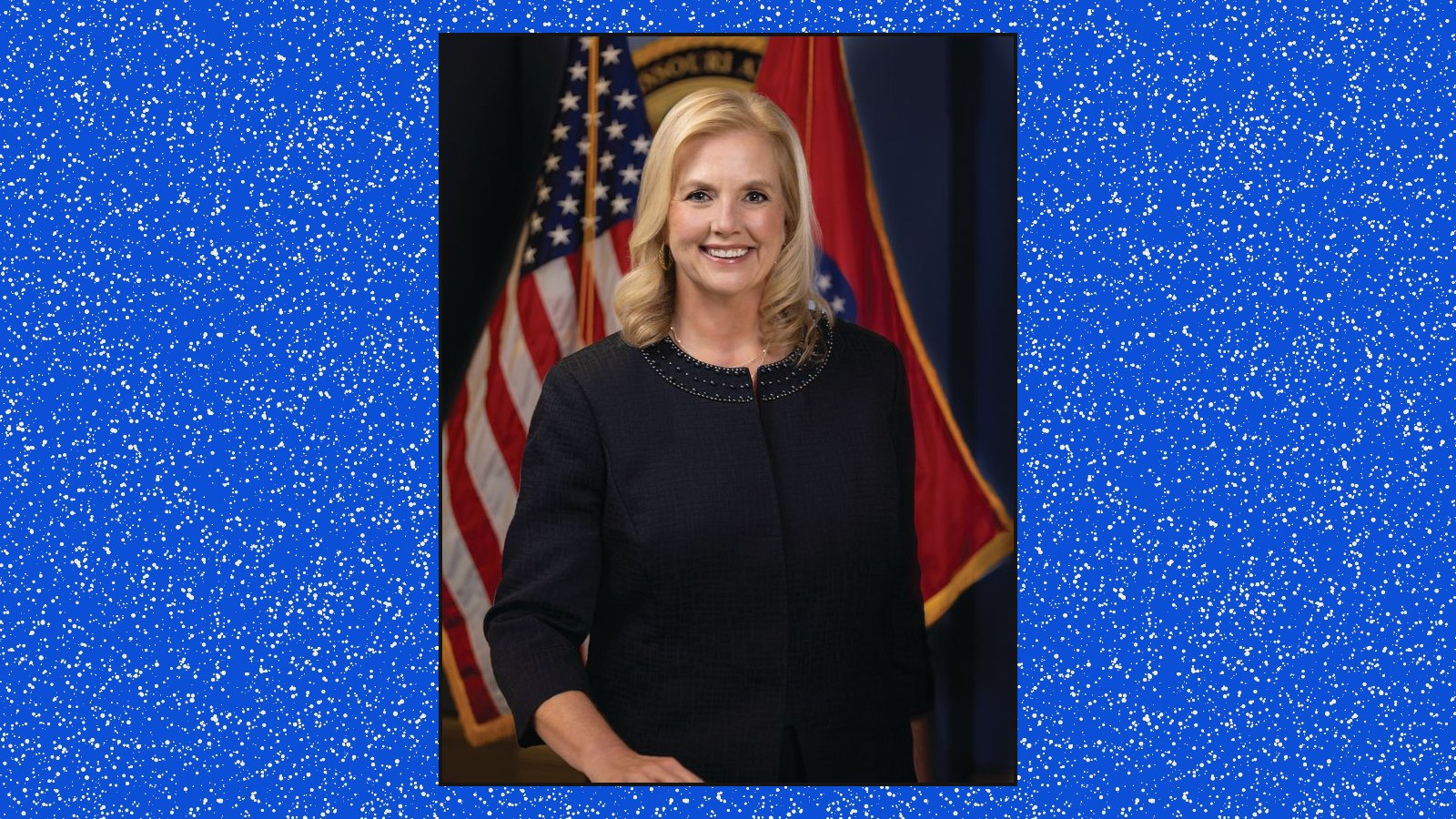
On September 16, 2026, Missouri Attorney General Catherine Hanaway issued a cease-and-desist ordering Robinhood to either obtain a Missouri Gaming Commission license or shut down its sports event contracts in the state. Robinhood refused. On November 10, it filed a federal lawsuit seeking a temporary restraining order, preliminary injunction, and permanent injunction against Missouri enforcement, arguing that the federal Commodity Exchange Act preempts state gambling law.
The Federal Argument
The legal theory Robinhood is deploying is not new. Competing prediction market Kalshi used the same CFTC preemption argument against New Jersey, and the Third Circuit upheld a temporary restraining order blocking state enforcement. CDC Gaming reported that Robinhood cited that ruling in its Missouri complaint. The argument, in short: a product that the federal government explicitly regulates and permits cannot be retroactively banned by individual states under their gambling codes.
Whether that argument holds in Missouri's specific regulatory context is what the federal court in St. Louis will decide. Robinhood has stated it considers the claims against it meritless.
Consumer Class Actions in California
Missouri is not the only front. Per Bloomberg Law, a proposed consumer class action was filed June 17, 2026, in the U.S. District Court for the Northern District of California, alleging that Robinhood facilitates illegal sports gambling through its prediction market offerings. The plaintiffs' theory positions Robinhood's product as equivalent to an unlicensed sportsbook operating outside state gambling frameworks. Bloomberg Law noted that Polymarket, another prediction market, faced a similar consumer class action earlier in 2026.
What This Means for the Industry
Prediction markets as a category are built on the same regulatory structure Robinhood is defending: CFTC-approved event contracts, sold on federally regulated exchanges, with the argument that federal oversight eliminates the need for state gambling licenses. Every platform in the space faces the same unresolved question that Robinhood and Missouri are now paying courts to answer.
That includes Novig, the prediction market that hired Sydney Sweeney in 2026 for a deliberately provocative ad campaign. Sweeney negotiated an equity stake in Novig rather than a flat fee, which means her financial interest in the company persists beyond the ad cycle. If states successfully compel prediction markets to obtain individual gambling licenses, or shut them down entirely, it changes the competitive and legal landscape for every platform that made that bet, including Novig.
None of that is a prediction about outcome. The Missouri case is at the preliminary injunction stage. The Kalshi precedent favors Robinhood. Courts move slowly. The prediction markets industry will keep operating while the legal question works through the system, and the resolution, when it comes, will not be a single ruling but a patchwork of federal circuit decisions across multiple states.