Novig's Depositors Tripled. 96% of the Internet Said 'Sweeney.'
Brand analysis confirmed what the numbers hinted at: the Novig campaign drove 361% more first-time users ... and only 4% of the ninefold surge in online mentions named the app those users downloaded.
Beam Me Over ↓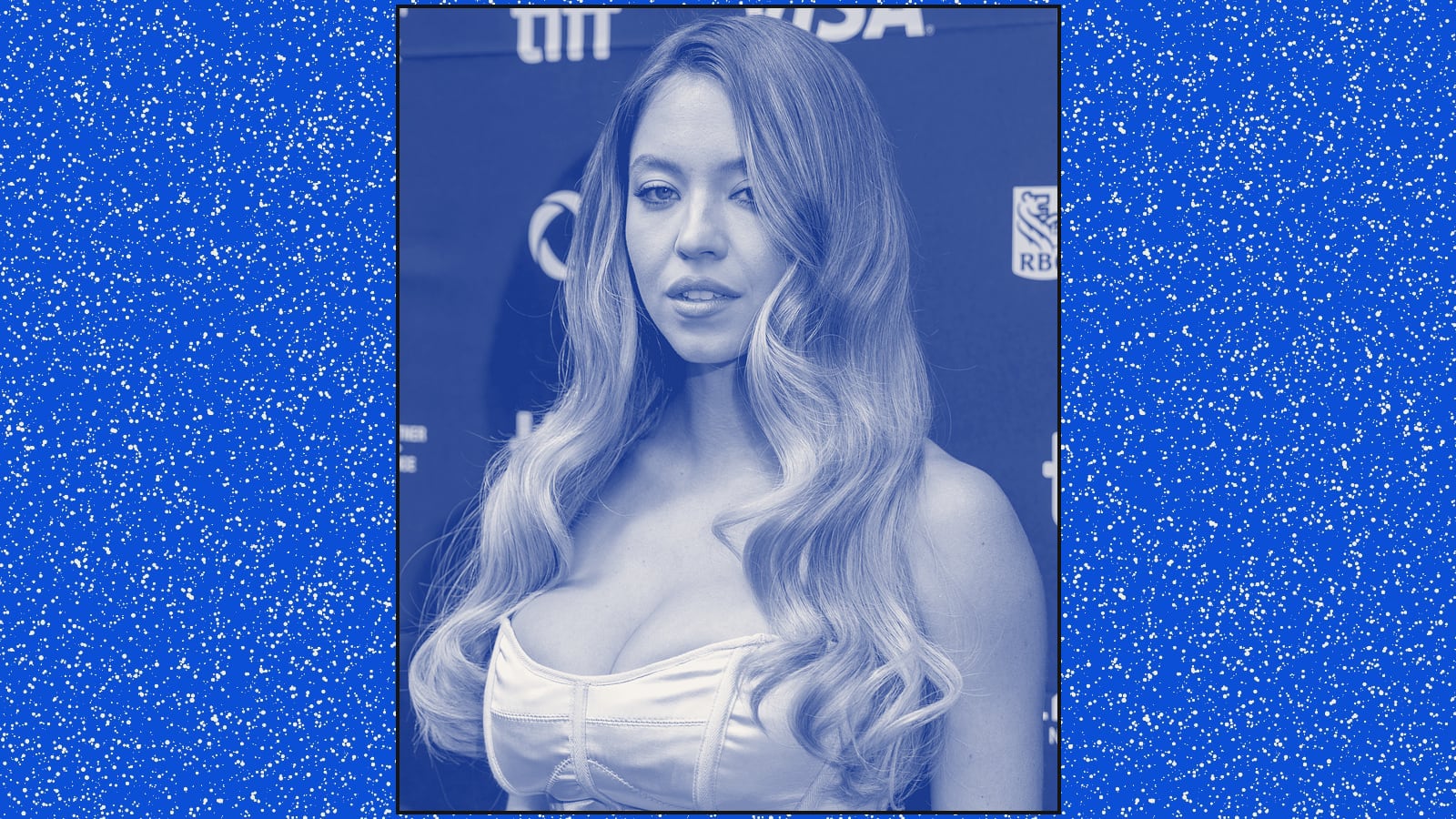
The Novig campaign worked. By October 10, one month after the first ad dropped, Mediaweek reported that trading volume was near three times Novig's pre-campaign goal, first-time depositors had climbed 361.8%, and app downloads were up 260.9%. Then the second ad dropped anyway.
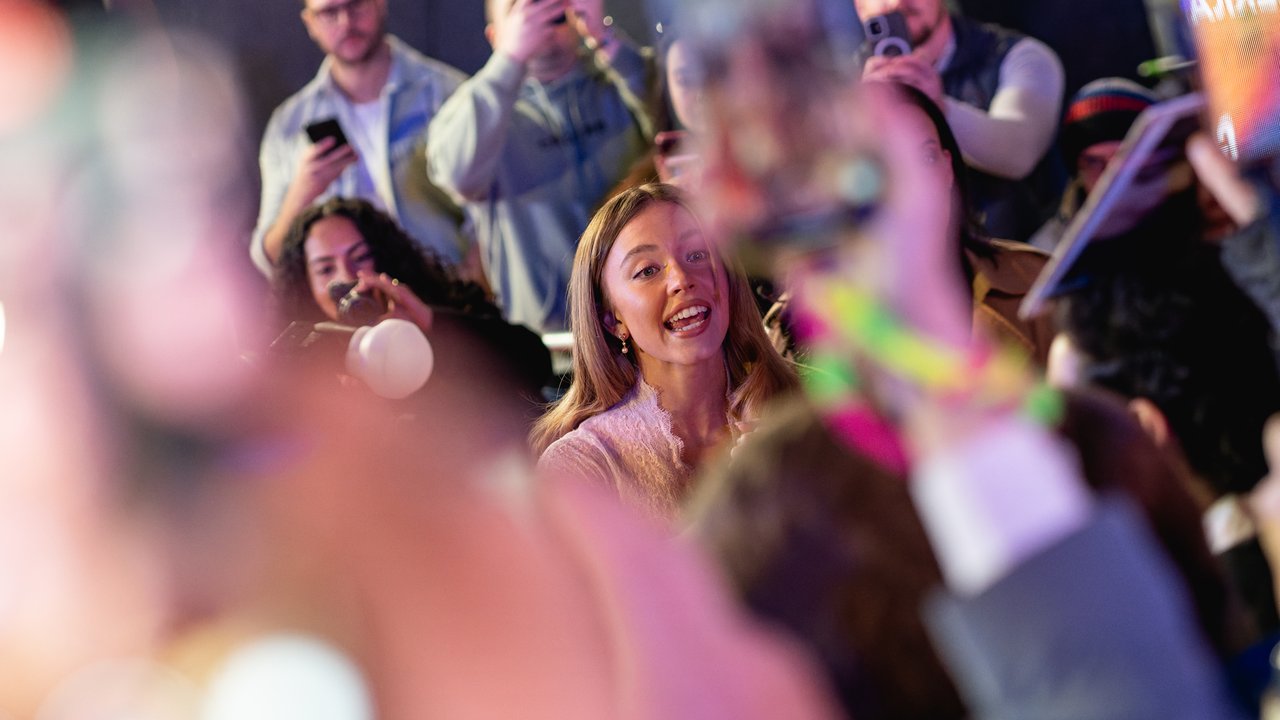
What the metrics did not show was who consumers were actually thinking about. A 5W PR brand analysis of Peak Metrics data found that Novig's online mentions jumped more than ninefold across six platforms after the campaign launched. Only 4% of those posts named the Novig app. The other 96% mentioned Sydney Sweeney.
That split is not a failure. It is exactly the structure of the deal. Novig wanted conversions and got them. Sweeney absorbed the controversy and got equity. The outrage machine ran on her name, not the brand's, which is why the brand walked away from a nine-times-larger internet footprint with zero association with the backlash.
The Mechanics of a Human Lightning Rod
"We were very happy with how the first campaign did, and this was always the plan," Novig CEO Jacob Fortinsky told AdAge when the second ad landed October 11. He described the two-part campaign as planned "tentpole moments," not a reactive sequel. That framing matters: both ads were premeditated, and the escalation from the first to the second was a strategy, not a capitulation to critics or an apology to fans.
Sweeney's second-ad line lands the thesis cleanly: "There are grown men making spreadsheets to bet on what colour underwear I'm wearing. I mean, I'm flattered?" She closes holding two footballs over her chest and delivers the tagline: "Novig is just sports." The sentence does triple work. It is self-aware about the objectification, deflects it by naming it, and pivots to the brand claim, all in under ten seconds.
The brand awareness data fills in the gap the conversion metrics leave open. A CAD Management analysis cited in the 5W piece found average weekly brand mentions for Novig rising from 392 to 4,633 in four days after the September 9 launch, with potential reach jumping from 786.6 million to 3.98 billion. The question is what share of those 3.98 billion reached people actually connected the content to the Novig name. At 4%, the honest answer is: not many. The people who downloaded the app found it. Everyone else talked about Sydney Sweeney.
Sweeney Pays the Toll; Novig Keeps the Bridge
JOAN London strategist Nicky Vita, quoted in the 5W piece, called the sustained conversation a good awareness outcome for a little-known company even while finding the creative weak. That verdict captures the campaign's specific calculus: it did not build the Novig brand through goodwill or brand affinity. It built it through volume, controversy, and the leverage of a celebrity who was willing to run the harassment gauntlet personally.
Sweeney lost more than 200,000 Instagram followers during the backlash from the first ad, as we reported when the second dropped. Novig's depositors tripled. Her equity stake, size still undisclosed, is presumably the negotiated price for that arrangement. Whether it was a good deal for her depends on a number we do not have.
Fortinsky's framing leaves no room for revisionism. This was always the plan. That means the controversy was budgeted. The lost followers were priced in. And the next tentpole, whenever it comes, will follow the same structure: Sweeney's face, Sweeney's name, Novig's numbers.