97K Fans Said Bradley Cooper's Alleged Surgery Was a Mistake
A viral before-and-after on Halloween morning drew 97,000 likes and a response thread full of grief, not mockery. What fans said about one celebrity face reveals how the appearance economy actually works.
At a glance
- The post
- 97,000 likes on an X before-and-after of Cooper, with the caption about surgeons "removing beautiful features"
- Fan reaction
- Grief, not mockery: top comments called the alleged change a mistake and said "this one hurts"
- The caveat
- Cooper has not confirmed any procedure; surgeon opinion is speculation from photographs, not a diagnosis
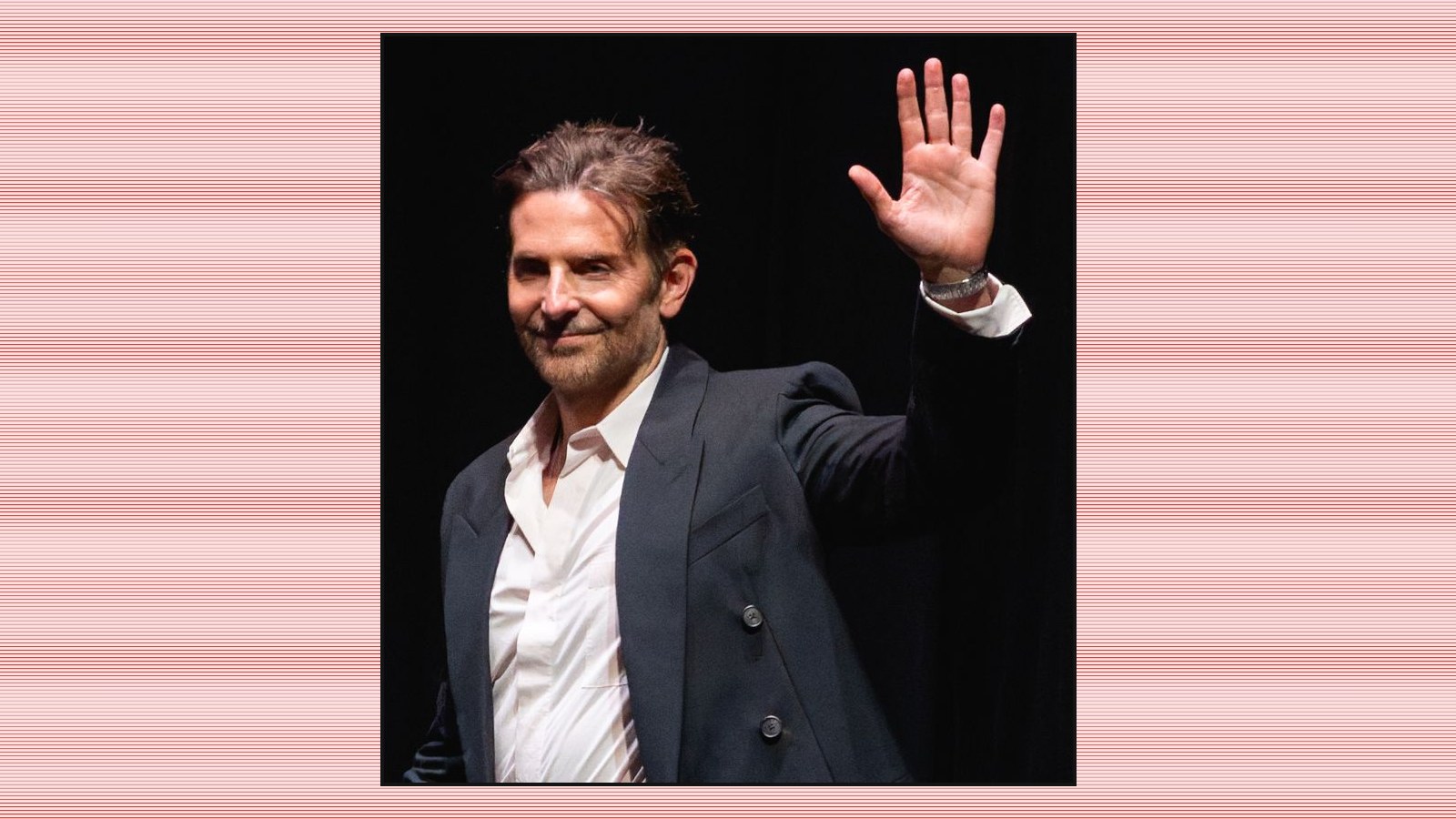
On the morning of October 31, an X user posted side-by-side photos of Bradley Cooper at 30 and at 51. The caption read: "Celebrity plastic surgeons be like 'yeah you're beautiful but what if you were perfect?' removes beautiful features." SheFinds, reporting the post for Yahoo, tallied 97,000 likes before publication. The search index for Cooper's name spiked to 200 or above across the US the following morning, per our monitoring of the Google Trends board.
The response thread was not mockery. It was mourning. Comments called the outcome a mistake. One fan said it hurt. Another compared Cooper unfavorably to Barry Manilow. A third said upper eyelid procedures on men "should be illegal." The emotional register was loss.
This was a huge mistake for Bradley. This was not an improvement.
Cooper is 51 and has not confirmed any procedure. Plastic surgeon Gerard Lambe, speaking to the Daily Mail as reported by SheFinds, speculated that Cooper may have had a lower facelift, jaw tightening, and a SMAS facelift procedure. Lambe is not Cooper's physician. Before-and-after comparisons of celebrities can reflect lighting, weight change, aging, and the camera as much as surgery. SheFinds reported that Cooper, on the SmartLess podcast with Will Arnett, noted that people had been telling him he looked good recently, and he took it as a compliment.
What 97K Likes on a Celebrity Face Are Worth
Celebrity endorsement value rests on face-level trust that audiences build over years of watching someone perform. It is not abstract affection. It is a commercially legible attachment: this face reminds me of something I liked, so I trust it near products. Brands pay for that signal.
When 97,000 people respond to a before-and-after post about Bradley Cooper not with mockery but with grief, they are signaling the commercial architecture behind every A-list endorsement deal. The face carried something. They noticed when it appeared changed. That noticing is not vanity criticism. It is a readout of the same audience bond that makes celebrity advertising work in the first place.
The point applies equally regardless of whether any surgery actually happened. Fans responding to photographs do not have medical facts. They have impressions, and those impressions have market weight. A celebrity whose appearance becomes a source of public grief has, in some measurable way, lost something in the public account.
The Counter-Read: Cooper Said He Looked Good
Three days before the viral post, on October 28, Jennifer Lawrence appeared on Alex Cooper's "Call Her Daddy" podcast and revealed, as reported by Page Six via AOL, that she once told Cooper she was "sick of kissing" him on the Silver Linings Playbook set and that he "didn't like that." She called him the best actor she has worked with and said she "forced him" onto the 2014 film Serena. Her account treats him as a collaborator and a person. The viral post treats his face as an object to be evaluated. The two readings ran on opposite tracks across the same Halloween week.
Cooper has not issued a statement about the surgery speculation. The next set of photos from any public appearance will be watched by the same audience that responded Halloween morning. For now, the before photo keeps accumulating likes.