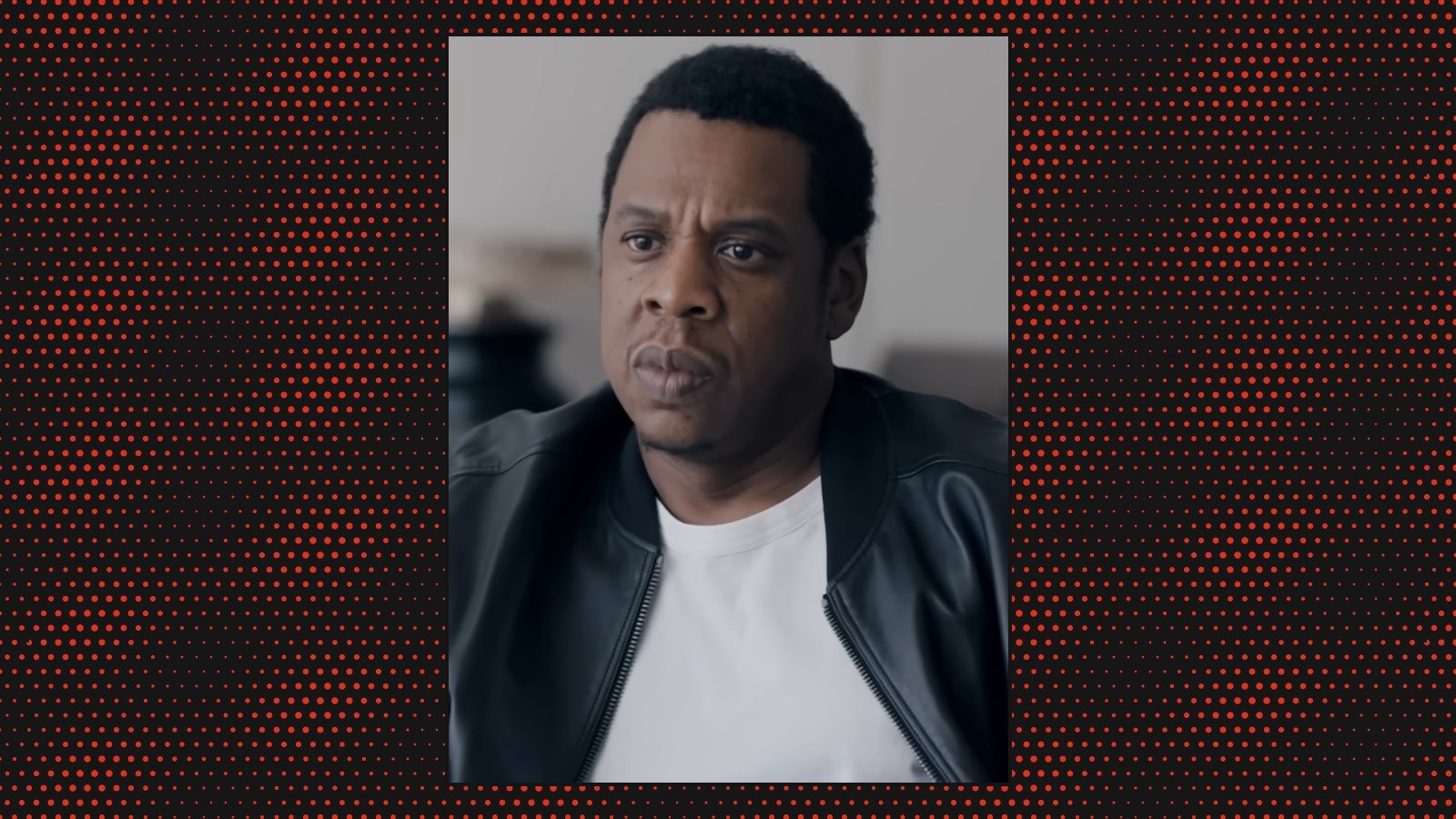
A Reporter Bet Like an Addict for 10 Weeks. DraftKings Made Him VIP.
Jake Pearson of ProPublica deposited $21,600 and lost $10,702 on DraftKings while mimicking a problem gambler. The VIP invite arrived the day after his $1,800 worst night. A class action lawsuit followed.
Jake Pearson knew what he was doing when he opened his DraftKings account. The ProPublica reporter has a gambling problem. He was going to bet like one, openly, under his own name, telling the platform from the start he was a journalist.
Then he was going to watch what DraftKings did with that.
Over 10 weeks, Pearson deposited $21,600 and lost $10,702, guided by a panel of addiction specialists and professional bettors who helped him mimic compulsive betting patterns. He received 32 responsible gaming notices from DraftKings over those 10 weeks. He had set his own session limit and daily deposit cap. None of that stopped what came next.
The day after losing nearly $1,800 in a single night, an email arrived at 5:01 p.m. Subject: VIP Showcase invitation.
Three Weeks Later, He Had a Personal Host
After a three-week trial and $5,800 in deposits, Pearson was formally accepted into the VIP program and assigned a personal host. He moved through silver and gold tiers. His host provided a 12-month ESPN subscription and offered "DK Dollars" deposit matches. After a three-day self-imposed cool-off, a $1,250 DK Dollars match was waiting on his next $5,000 deposit.
DraftKings chief responsible gaming officer Lori Kalani told ProPublica that accounts raising too many red flags are proactively closed. She also said Pearson's account had not triggered a manual review. When asked how often proactive closures happen, DraftKings did not provide a number.
Kalani said the company employs more than 5,000 people, all of whom receive annual responsible gaming training. The specific account that was actively mimicking problem gambling in front of them did not reach a human reviewer.
FanDuel Saw the Same Signals and Responded Differently
Pearson ran a parallel week-long test on FanDuel using the same behavioral pattern. FanDuel sent him six "Reality Check" reminders in a single night. It never offered VIP status. It required him to reduce a $500 wager that would have paid roughly $11,000. There were no perks tied to his losses.
The comparison is direct: one platform saw a pattern consistent with problem gambling and added friction. The other saw the same pattern and sent gifts.
A Lawsuit Followed One Month After the Journalism
On September 30, Daniel Vest filed a proposed class action in federal court in Boston. Vest alleges he received roughly 70 promotional messages in about a month after DraftKings used AI to identify him as a customer statistically likely to keep losing. His lawyers argue the practice violates Massachusetts consumer protection law and contradicts DraftKings' own privacy policies.
The Massachusetts Gaming Commission said it would examine how DraftKings and other licensed sportsbooks use artificial intelligence in marketing. No timeline or rulings have been published.
DraftKings denies targeting customers based on problem-gaming indicators. A company spokesperson said the lawsuit allegations are false. The case is at the complaint stage; no class has been certified and the claims are unproven.
DraftKings has also funded a political action committee with $41 million, directed in part at defeating stricter sportsbook regulations at the state level. A Siena Research Institute survey cited in ProPublica's investigation found roughly one in four active sportsbook account holders reported trouble meeting financial obligations after losing bets.
Ad Watch News is an independent commentary site. We have no affiliation with DraftKings, ProPublica, or any organization named here. This piece draws on ProPublica's published investigation and sources listed below.


Sources & further reading
- ProPublica: I Deliberately Bet Like a Problem Gambler. DraftKings Made Me a VIP. (Jake Pearson, Sep 26 2026)
- WBUR Here & Now: What Happened When a Reporter Posed as a Problem Gambler on DraftKings (Oct 6 2026)
- Boston Globe: DraftKings 'weaponized' AI to target gamblers, encouraging addiction, lawsuit says (Oct 1 2026)
- OpenClassActions: DraftKings AI-Targeted Promotions Class Action Lawsuit
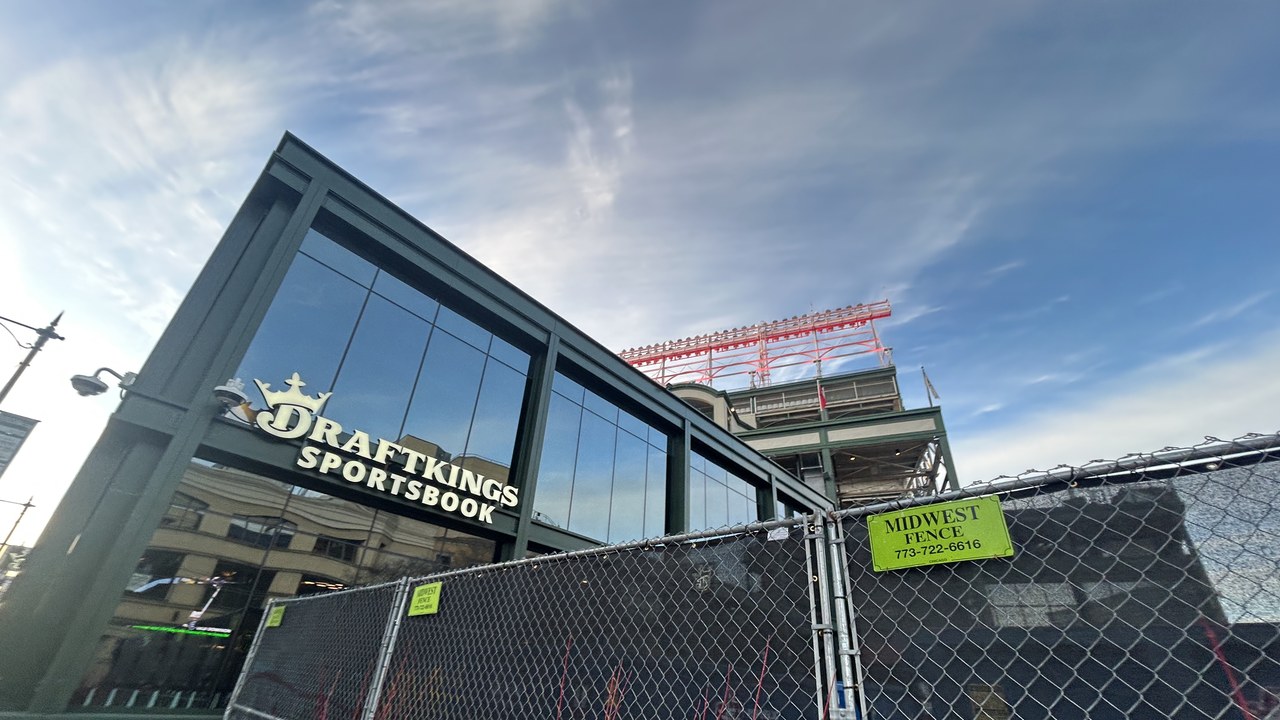
- Wikimedia Commons: DraftKings Sportsbook at Wrigley Field (SecretName101, CC BY 4.0)