Drake Sued Over "Janice STFU": Grammy Writer Says the Hook Is Word for Word His
Grammy-winning songwriter Avi Hirschfield filed in L.A. federal court claiming the 300M-stream No. 1 hit copies eight lines he wrote in January 2026 and shared with producers inside Drake's own circle.
Warp Me to the Next Section ↓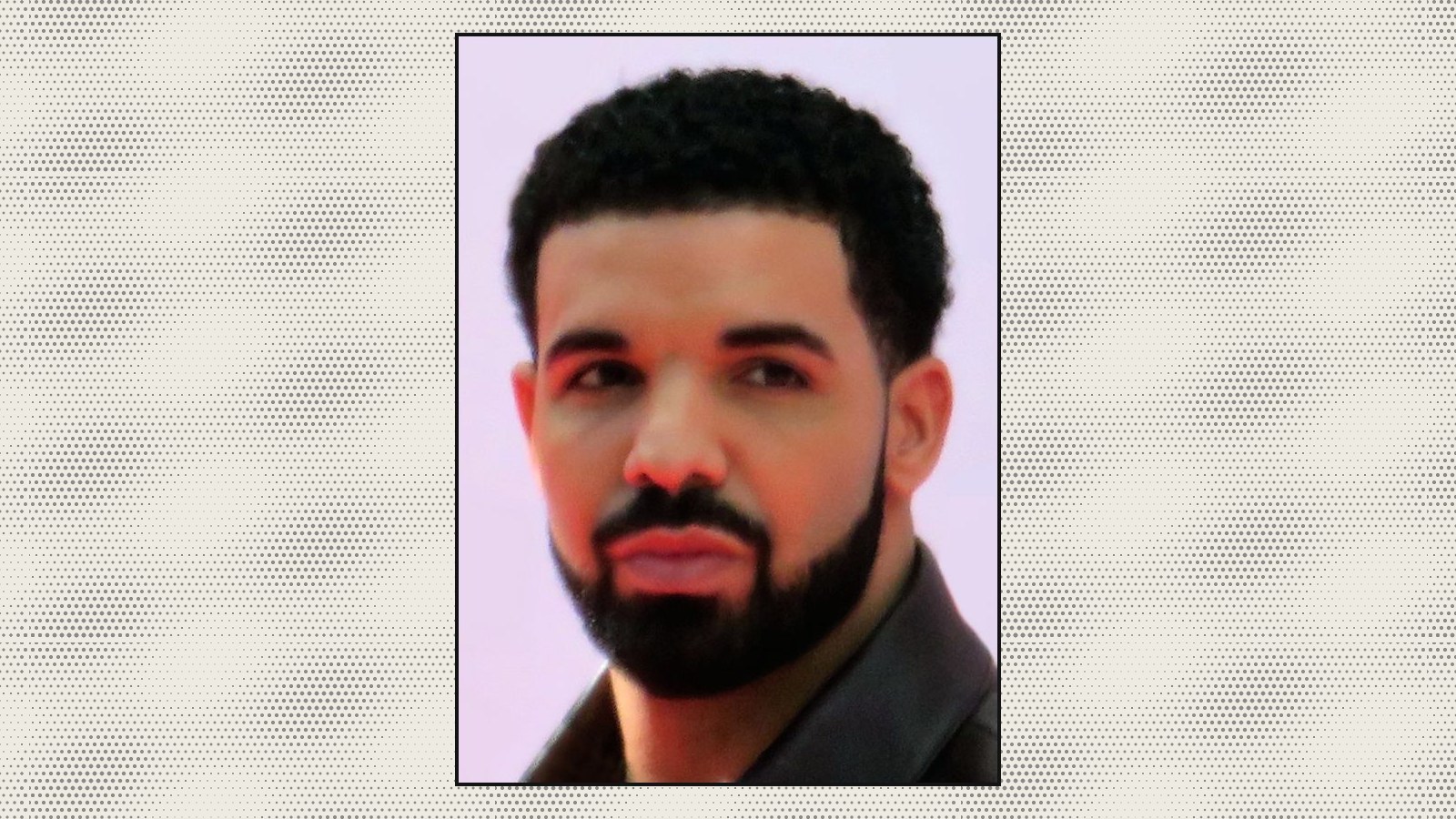
Drake is facing a federal copyright lawsuit over "Janice STFU," his biggest commercial hit in years, filed by Portland-based songwriter Aviel Calev Hirschfield on approximately October 16, 2026, in the U.S. District Court for the Central District of California. Per Complex, Hirschfield claims the song's chorus is "literally identical" to eight lines he wrote in January 2026 and shared, with metadata intact, through producers connected to Drake's camp.
The song at the center of the suit debuted at No. 1 on the Billboard Hot 100, spent 20 weeks atop the Hot Rap Songs chart, and has accumulated more than 300 million streams on Spotify. Hirschfield is not a fringe claimant: he shares a Grammy writing credit on "Heated," a track from Beyoncé's Renaissance.
Eight lines, one FnZ beat, and metadata that still has timestamps
According to the complaint, Hirschfield wrote the chorus between December 2025 and January 25, 2026, over an instrumental provided by production duo FnZ, while working on a track he conceived with Drake in mind, partly inspired by Lykke Li's "I Follow Rivers." He shared the stems, including files with intact metadata, with FnZ and with other producers in Drake's extended network. No one responded. He first heard "Janice STFU" on approximately May 15, 2026, and registered the composition with the U.S. Copyright Office on July 21, 2026. Per The Source, Hirschfield's manager delivered evidence to Drake's team before any lawsuit was filed.
The detail that makes this harder to dismiss than most copyright claims is the production chain. Songs shared as stems through a shared network leave fingerprints. Metadata timestamps, session files, and engineer credits can establish a timeline. Whether those timestamps hold up against a challenge is a different question, but the existence of a paper trail changes the calculus for Drake's team.
Drake's camp: "categorically, unequivocally denied"
Drake's representatives did not wait for the lawsuit to go public before responding. The complaint itself notes that Drake's legal counsel sent a cease-and-desist to Hirschfield, which is an unusual preemptive move for a camp that says it has "no connection or knowledge of this person."
A Drake representative told TMZ, as cited by Complex: "These allegations are categorically, unequivocally denied." The statement accused Hirschfield of manipulating metadata and called the lawsuit "a manufactured and baseless attempt" to exploit Drake's name. "Drake wrote this song and has no connection or knowledge of this person, full stop."
The "metadata manipulation" counter is the standard playbook when stems are the evidence. It is possible. It is also the kind of claim that requires its own forensic evidence, not just a denial. Courts have ruled both ways on metadata in music copyright cases.
Why this one is worth watching
Music copyright litigation has produced some landmark verdicts in the past decade, most of them controversial. The "Blurred Lines" ruling against Marvin Gaye's estate, the "Stairway to Heaven" fight, and more recently the "Dark Horse" case all turned on contested questions about what similarity actually means in court. The Hirschfield case adds a new wrinkle: shared production infrastructure as the conduit for alleged copying.
Modern hip-hop production routinely passes instrumentals and reference tracks through sprawling networks of producers, engineers, and artists. When a song becomes a hit and a prior collaborator claims credit, the question is not only "did the hook sound similar" but "how did it get there." A Grammy-credentialed plaintiff who can point to file-level evidence of delivery inside the network is a harder opponent than a stranger claiming vibe resemblance.
Hirschfield is seeking disgorgement of profits, statutory and actual damages, and attorneys' fees. No specific dollar amount has been stated in any filed document. The suit names Drake, OVO Sound, UMG Recordings, and Universal Music Publishing as defendants.
Ad Watch News is an independent commentary site with no affiliation with Drake, OVO Sound, UMG, Avi Hirschfield, or any party to this litigation. This piece draws on published sources listed below.