Will Friedle Calls Out 'Girl Meets World' for Ogling Teen Lucas: 'Super Creepy'
On Pod Meets World, Friedle named what the show never did... every plotline bent around how attractive a 15-year-old boy was, and his gender-flip test makes the double standard impossible to unsee.
Open Hailing Frequencies ↓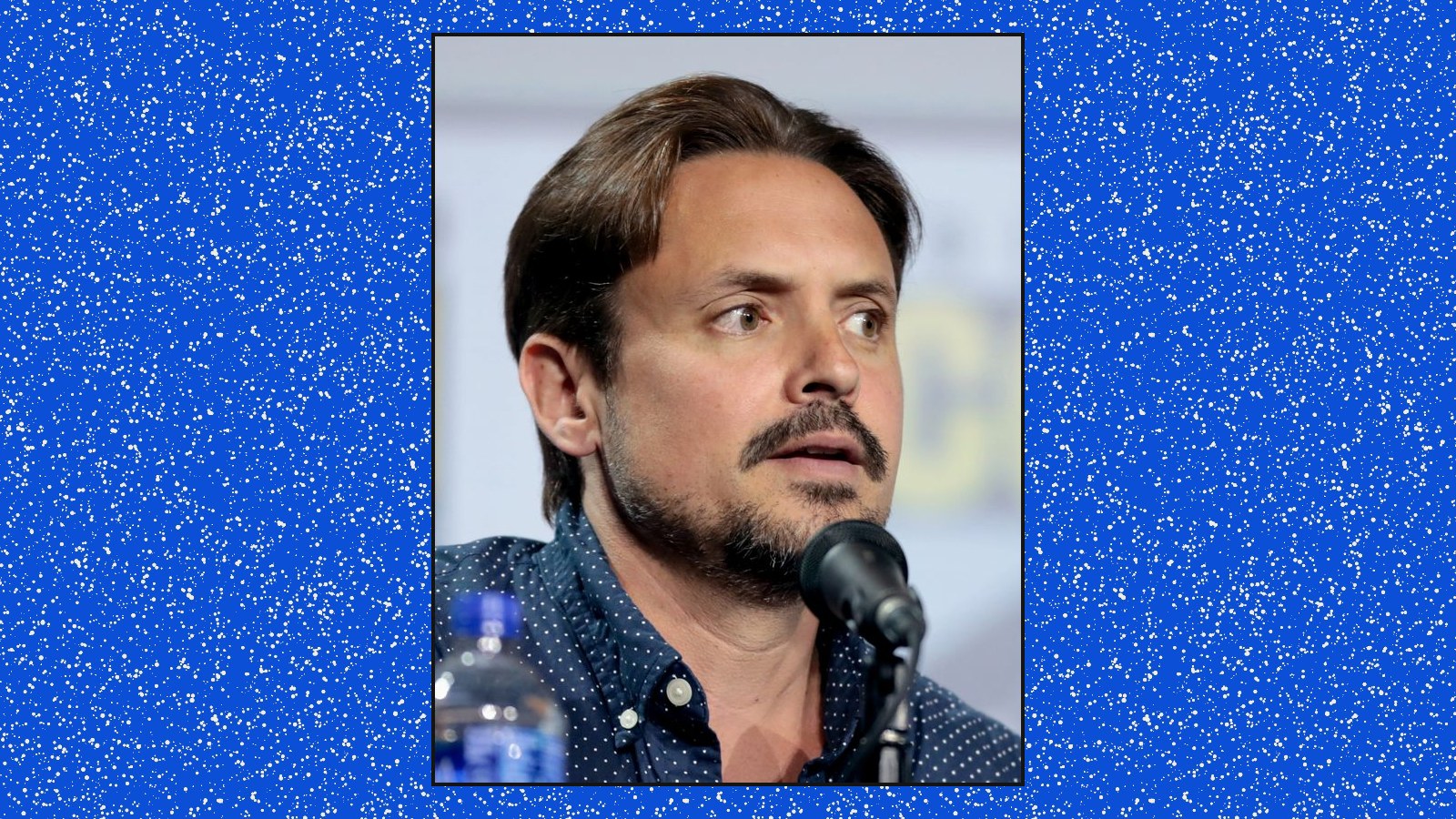
"If it were a girl, it would be super creepy." That is how Will Friedle ended his critique of how Girl Meets World handled its teenage male lead, in remarks flagged by Entertainment Weekly this week. Friedle, who played Eric Matthews on the original Boy Meets World, has been co-hosting Pod Meets World with Danielle Fishel and Rider Strong: a week-by-week rewatch of the Disney Channel sequel that has become, unexpectedly, one of the sharpest TV criticism projects running.
The remark came during the trio's recap of "Girl Meets Smackle," the eighth episode of season one, in which Isadora Smackle swoops in on Lucas to make Farkle jealous. Friedle's observation: every single storyline involving Lucas turns on how attractive he is. Adults and kids alike are framed by the show as ogling him. He made the joke "everyone wants to bang Lucas" as a punchline to punctuate the pattern. Fishel laughed and added "that is the real lesson of the show."
It was a bit. But it was also a real critique.
The Gender-Flip Test Still Works
Friedle's gender-flip argument is simple: imagine the same character as a fifteen-year-old girl, with the same emphasis on her looks across every episode, and ask whether it would be received differently. The answer is yes, obviously, and that asymmetry is exactly the double standard he is naming.
Peyton Meyer was 15 when the series began filming in 2014 and turned 18 during the third and final season. The show ran on Disney Channel through 2017. Lucas Friar was Riley's love interest from the pilot, later also in romantic tension with Maya (Sabrina Carpenter). His attractiveness was not a subtext; it was a running gag, acknowledged out loud by other characters, including Cory (Ben Savage) himself.
We have developed a reasonable cultural vocabulary for recognizing when a female teen character is being framed primarily as a body. We are significantly worse at noticing the same thing when the character is male. Disney Channel, in particular, has built franchises on male teen attractiveness (Lucas, Troy Bolton, various "High School Musical" characters) without any critical apparatus to name what it is doing.
This Is Not the First Time the Podcast Has Gone Here
Pod Meets World has a track record of criticizing both shows from the inside. In an earlier episode, Rider Strong said he was "genuinely disturbed" by a Girl Meets World subplot in which Cory asks a student to spy on his teenage daughter, arguing it models surveillance and secrecy for young viewers. Separately, all three hosts have described the culture on the original Boy Meets World set: adult conversations around guest stars that, in Strong's framing, would not pass a basic HR review today.
The willingness to criticize the franchise they helped build is what makes the podcast worth attention. These are not outsiders dunking on something they dislike. They are insiders who clearly love both shows, which is why their criticisms land differently. Friedle is not saying the show is bad. He is saying it did something that went unnamed at the time, and that the unnamed thing deserves a name.
Our Read
"Everyone wants to bang Lucas" is not a statement Friedle is making approvingly. It is a reductio ad absurdum: he is stripping away the Disney Channel soft focus and stating, in plain language, what the show's narrative machinery was actually producing. If saying it out loud sounds jarring, that is the point. It sounded normal in the show because the frame was softer.
The standard Hollywood defense for this kind of character treatment is that teen attractiveness is just a universal coming-of-age theme. That defense holds up less well when you ask who decides what counts as attractive, who the camera is serving, and whether a 15-year-old was in a position to negotiate the terms of how his character was framed. Those questions are not unique to <em>Girl Meets World</em>. The show is just a good case study because the hosts know it from the inside.
Friedle's "super creepy" framing is the right test. Not "was anyone harmed" (we do not know), not "was this intended" (it probably was not), but "would we recognize this pattern immediately if the gender were different." The answer tells you everything about how selectively we apply our critical tools.
Ad Watch News is an independent commentary site with no affiliation with Will Friedle, Danielle Fishel, Rider Strong, Peyton Meyer, or the production companies behind Boy Meets World or Girl Meets World. This piece draws on published sources listed below.